Products

Hypochlorous Acid Water Equipment

  • Detailed Description

Hypochlorous Acid Electrolysis System

  • Innovative food sanitation technology using salt and water
  • Hypochlorous Acid Electrolysis System

Common Bacteria

Escherichia coli Fecal contamination and infected personnel
Salmonella Eggs and poultry products
Listeria Personnel and contaminated water
Staphylococcus aureus Contact with human wounds
Vibrio parahaemolyticus Seafood
Pseudomonas aeruginosa Consumption of untreated water

Commonly Used Disinfectants

Bleach (Sodium Hypochlorite) May generate trihalomethanes under certain conditions
Chlorine Dioxide May produce chlorite ions
Ozone May generate various reaction by-products
Alcohol Provides limited effectiveness against certain microorganisms and is not effective against all viruses
Additional Information These are all commonly used disinfectants. Our goal is to provide a safer, more environmentally responsible solution with minimal residue.

Characteristics of Hypochlorous Acid (HOCl)

  • Chemical name: Hypochlorous acid
  • Features a mild chlorine-like odor that dissipates quickly and is not strongly pungent
  • The human immune system naturally produces small amounts of hypochlorous acid as part of its defense response
  • An environmentally conscious disinfecting solution that breaks down after use
  • Recognized as a modern antimicrobial solution
  • Designed for low-irritation applications when used at the appropriate concentration
  • Sanitization
  • Disinfection
  • Water purification

Disinfection Mechanism

  • Hypochlorous acid has strong oxidizing properties. It can oxidize amino acids in microbial enzyme proteins, reducing their activity and disrupting normal metabolic functions.
  • The enzyme systems of many bacteria, fungi, molds and viruses are located on or near their outer structures, making them susceptible to oxidation by hypochlorous acid.

Application Areas

  • Water supply systems
  • Swimming pool and wastewater disinfection
  • Livestock farming
  • Healthcare and hygiene applications
  • Food sanitation and freshness preservation
  • Horticulture and agriculture

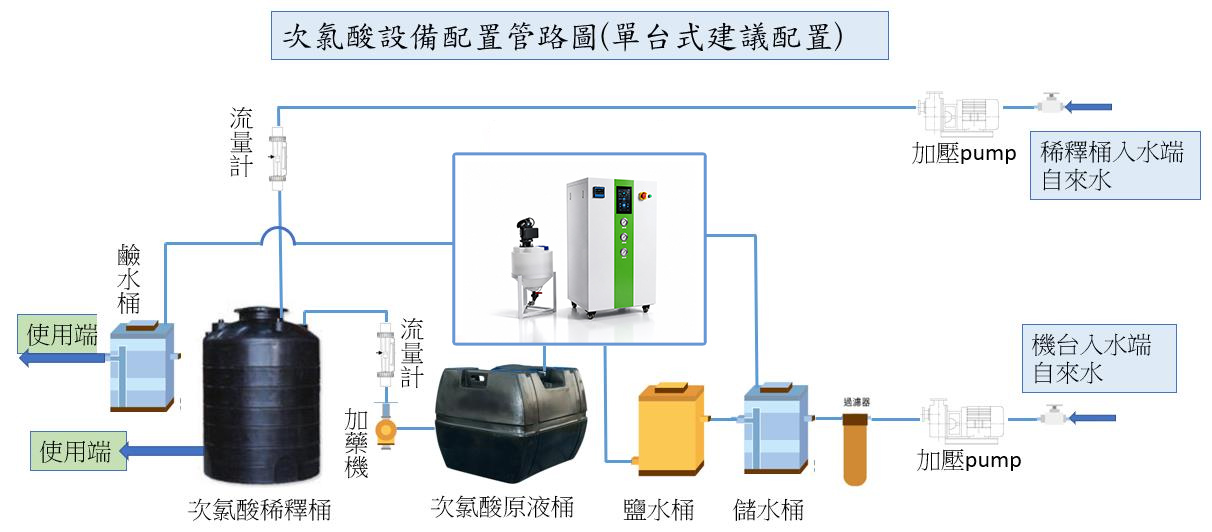
Equipment Installation

Hypochlorous acid electrolysis system installation

Equipment Specifications

Specification HA-2000E
Product Name Slightly Acidic Hypochlorous Acid Water Generator
Production Capacity 200 L/h
Output Water Quality pH 5.0–6.8
Equipment Dimensions (mm) 500 × 500 × 1500
Feed Water RO water
Feed Water Temperature 5–40°C
Feed Water Pressure 0.1–0.3 MPa
Ambient Temperature 10–30°C
Electrolyte High-purity food-grade sodium chloride
Power Supply Single-phase AC 220 V
Product Features Stable performance, high output and simple operation

SGS Test Results

Salmonella Contact time: 10 minutes; microbial count after treatment: <1; reduction rate: >99.9%
Pseudomonas aeruginosa Contact time: 10 minutes; microbial count after treatment: <1; reduction rate: >99.9%
Staphylococcus aureus Contact time: 10 minutes; microbial count after treatment: <1; reduction rate: >99.9%
Escherichia coli Contact time: 10 minutes; microbial count after treatment: <1; reduction rate: >99.9%

Livestock Applications

  • Cleaning and sanitation of feed and processed animal feed
  • Cleaning and disinfection of transportation vehicles: use hypochlorous acid at 100–200 ppm for vehicle sanitation
  • Dairy farming equipment and surrounding systems: use hypochlorous acid at 100–150 ppm
  • Cleaning livestock wounds and sores: use 100 ppm hypochlorous acid water three to four times per day
  • Poultry farming and environmental applications: adding 1–3 ppm hypochlorous acid to water supply pipelines may help reduce biofilm formation; use 100–200 ppm for poultry house sanitation
  • Pig farming and environmental applications: use hypochlorous acid at 30–50 ppm for environmental sanitation in the morning and evening
  • Adding 3–5 ppm hypochlorous acid to drinking water may help maintain gastrointestinal health and support feed conversion efficiency
  • Concentrations and operating methods should be adjusted according to actual site conditions

Advantages for Poultry Farming

  • Improved productivity: may help shorten production cycles, increase output and support stronger eggshell quality
  • Reduced mortality risk: supports healthier poultry and improved resistance to environmental challenges
  • May reduce reliance on antibiotics and other medications
  • Supports nutrient absorption and helps reduce feed and digestive problems
  • Potentially high return on investment through lower variable costs, simple installation and low maintenance requirements

Food Processing Applications

  • Cooked noodle preservation: hypochlorous acid may be used during multiple rinsing processes
  • Automatic fruit and vegetable washing equipment: suitable for integration into washing processes
  • Ready-to-eat foods: suitable for rinsing and sanitizing salad vegetables to support freshness preservation
  • Seafood processing: suitable for antimicrobial treatment before and after food preparation
  • Bakery and dessert production: suitable for sanitizing utensils, processing environments and personnel hands

Environmental Cleaning and Disinfection

  • Cleaning, sanitizing and deodorizing public restrooms
  • Cleaning and sanitation of airports, stations, science parks, hospitals and other public facilities
  • Cleaning and sanitation of sofas, carpets, meeting rooms and related facilities
  • Disinfection and sanitation of waste collection areas

Industrial Applications

  • Helps reduce bacteria and biofilm formation in water systems
  • Helps control unpleasant odors in sanitary and wastewater applications
  • Reduces the required dosage of conventional chemical treatment products and may lower operating costs
  • Helps reduce scale formation in pipelines and extend equipment service life
  • Suitable for sanitary water, cooling towers and environmental water systems to help control scale and biofilm formation

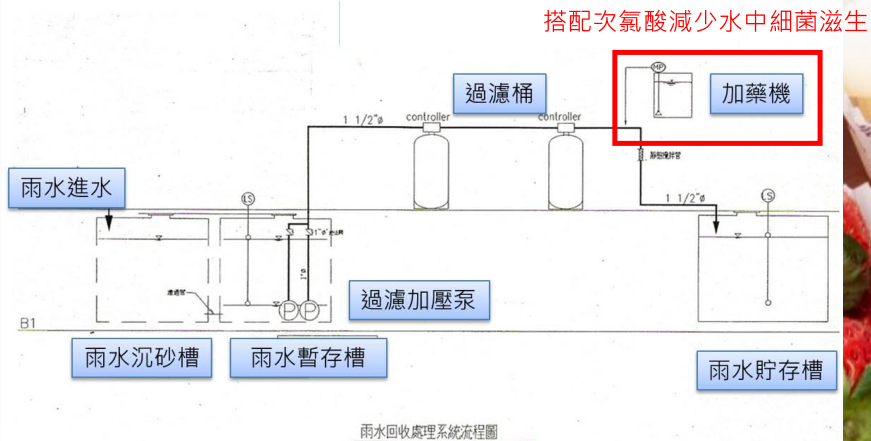
Rainwater Recycling System

  • Application: hypochlorous acid water is used for water sanitation and odor control
  • Rainwater storage tank: treated rainwater can be reused for landscaping irrigation and toilet flushing within the facility
  • Softened-water storage tank: hypochlorous acid may be added to softened cooling water to help reduce scale formation in cooling pipelines
  • Hypochlorous acid treatment helps reduce bacterial growth in the recycled water system

Rainwater recycling system